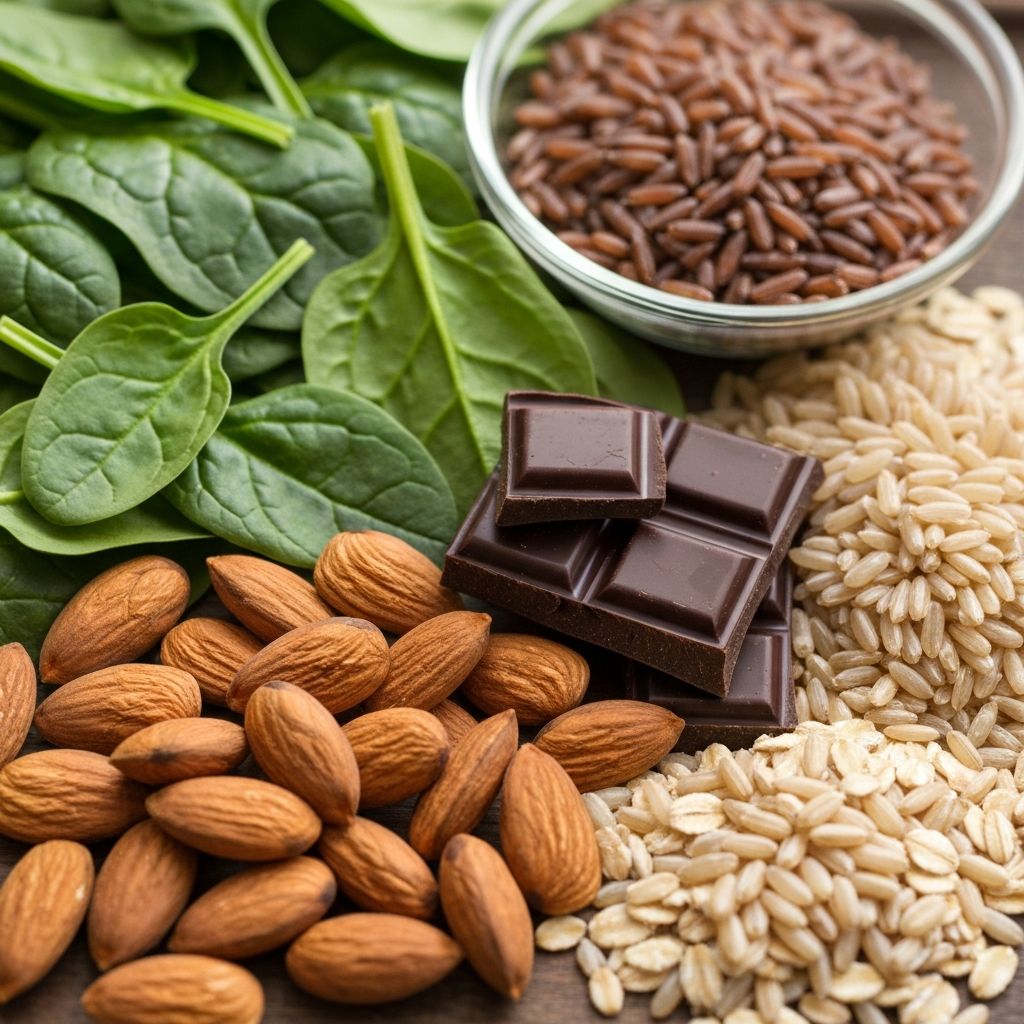
A Comprehensive Guide to Natural Supplements for Male Wellness
Irpota explores the science of nutritional support, vitamins, minerals, and lifestyle habits that contribute to general well-being — presented in a clear, unbiased, and informative context.
Explore TopicsEducational content only. No promises of outcomes. All materials are for informational purposes only and do not constitute medical advice.
The Foundation of Male Wellness
Understanding well-being begins with recognising the interconnected systems of the human body and how daily choices shape long-term vitality.
Male wellness is a multifaceted concept that encompasses physical, metabolic, and emotional dimensions. At its core, it depends on the consistent supply of essential nutrients, adequate rest, and purposeful physical activity. The body relies on a precise balance of macronutrients and micronutrients to carry out thousands of biochemical processes daily.
Dietary choices form the primary foundation. Whole foods, rich in fibre, vitamins, minerals, and antioxidants, provide the building blocks that the body cannot synthesise on its own. Nutritional science has demonstrated that gaps in these foundational nutrients may influence energy regulation, immune function, and general metabolic efficiency.
Natural supplements are often discussed in the context of filling these nutritional gaps — not as substitutes for a varied diet, but as a complementary layer of support for those whose dietary intake may be insufficient due to lifestyle, geography, or individual variation.
Understand the ConceptsKey Nutrients for Men: An Overview
Each nutrient plays a distinct role in maintaining physiological balance. The following panels offer a general introduction to commonly discussed dietary components.
Vitamin D
A fat-soluble vitamin synthesised in the skin upon sunlight exposure. It plays a central role in calcium metabolism, immune regulation, and the maintenance of bone density. Many adults in northern climates may have reduced synthesis during winter months.
Zinc
An essential trace mineral involved in over 300 enzymatic reactions. Zinc contributes to protein synthesis, normal cellular division, and the function of the immune system. It is abundant in legumes, nuts, seeds, and whole grains.
Magnesium
An essential mineral that participates in more than 600 biochemical reactions, including energy production, muscle function, and nervous system regulation. Dietary sources include dark leafy greens, legumes, and whole grains.
B-Vitamin Complex
The B vitamins — including B1, B2, B3, B5, B6, B7, B9, and B12 — form an interrelated group essential for energy metabolism, neurological function, and red blood cell formation. They are found across a wide variety of foods, from whole grains to legumes.
Selenium
A trace element with significant antioxidant properties. Selenium is incorporated into selenoproteins that protect cells from oxidative damage. Brazil nuts and whole grains are among the richest dietary sources.
Omega-3 Fatty Acids
Essential polyunsaturated fats that the body cannot produce independently. They are found in oily fish, walnuts, flaxseed, and chia seeds, and are widely studied for their roles in cardiovascular and cellular health.
Dietary Sources of Vitality
Fruits & Berries
Whole Grains & Legumes
Nuts & Seeds
Fruits and Berries
Fresh fruits provide vitamin C, folate, potassium, and a range of polyphenols with antioxidant activity. Berries in particular are noted for their anthocyanin content, while citrus fruits are well-recognised sources of ascorbic acid.
Whole Grains and Legumes
These form the backbone of fibre and B-vitamin intake in many dietary patterns. Legumes additionally provide plant-based protein and iron, while whole grains contribute manganese, selenium, and magnesium in meaningful quantities.
Nuts and Seeds
Among the most nutrient-dense foods, nuts and seeds are rich in healthy fats, vitamin E, zinc, and magnesium. Regular consumption is associated with balanced nutrition and sustained energy, making them a common feature of wellness-oriented dietary guidance.
Understanding Supplement Categories
Natural supplements are organised into broad categories based on their composition, origin, and the physiological systems they are generally associated with.
It is important to understand that these categories represent educational classifications, not prescriptions or treatment recommendations. Each category has distinct characteristics in terms of how nutrients are delivered and absorbed.
-
A
Vitamin and Mineral Complexes
Broad-spectrum formulations containing multiple micronutrients, designed to address common nutritional gaps in the diet.
-
B
Herbal and Botanical Extracts
Compounds derived from plants, roots, and fungi with a long history of use in traditional wellness practices across various cultures.
-
C
Essential Fatty Acid Supplements
Concentrated sources of omega-3 and omega-6 fats derived from marine or plant-based origins, supporting cellular membrane integrity.
-
D
Probiotic and Prebiotic Compounds
Preparations that support the gut microbiome through live cultures or dietary fibres that serve as substrate for beneficial bacteria.
-
E
Antioxidant-Rich Formulations
Concentrations of vitamins C and E, selenium, and plant polyphenols intended to support the body's natural defence against oxidative stress.
Historical Context of Nutritional Support
The understanding of nutrition and supplementation has evolved substantially over the past century, shaped by scientific discovery and shifting cultural practices.
Discovery of Vitamins
Scientists first identified and isolated essential vitamins, establishing the concept that specific dietary compounds are necessary to prevent deficiency-related conditions. This era laid the groundwork for modern nutritional biochemistry.
Mineral Science and Fortification
Research expanded to trace minerals and their roles in enzymatic function. Public health initiatives began incorporating nutritional fortification into staple foods, and the first standardised dietary reference values were introduced.
Personalised Nutrition and Wellness
Contemporary nutritional science examines the interaction between genetics, gut microbiome, lifestyle, and supplementation. The focus has shifted from deficiency prevention towards optimising general vitality and long-term well-being.
Lifestyle Factors and Their Impact
1 Sleep
Adequate and consistent sleep is foundational to metabolic regulation, hormonal balance, and cognitive function. During sleep, the body undertakes essential repair processes, consolidates memory, and regulates appetite-related signals. Adults generally require between seven and nine hours of quality sleep to support these processes effectively. Chronic sleep insufficiency has been associated with disruptions to energy metabolism and immune responsiveness.
2 Physical Activity
Regular physical movement contributes to cardiovascular efficiency, muscle maintenance, metabolic balance, and psychological well-being. Exercise stimulates the production of various signalling molecules that support tissue repair and anti-inflammatory processes. Activities ranging from brisk walking and cycling to resistance training each offer distinct physiological benefits when practised consistently and in alignment with individual capacity.
3 Stress Management
Prolonged psychosocial stress activates physiological responses that, when sustained over time, may influence nutrient utilisation, immune function, and digestive health. Practices such as mindfulness, time in natural settings, and social engagement contribute to the regulation of these stress responses. Nutritional status is known to interact with stress physiology, with certain micronutrients — such as magnesium and B vitamins — playing roles in neural and adrenal function.
Dispelling Common Misconceptions
Several widely held assumptions about natural supplements and nutrition lack scientific support. A clear understanding of these misconceptions promotes more informed thinking.
More supplements always produce better results
Nutritional biochemistry operates on the principle of sufficiency, not excess. Many vitamins and minerals are effective within a defined physiological range. Exceeding established upper intake levels can, in some instances, produce adverse effects or interfere with the absorption of other nutrients. The concept of "more is better" does not apply uniformly to micronutrient supplementation.
Natural supplements are entirely risk-free
The term "natural" does not automatically confer safety in all contexts or dosages. Botanical extracts and herbal compounds can interact with other dietary components and vary in potency depending on their source and preparation. Understanding dosage, form, and individual variation is important when considering any supplemental compound.
Supplements can replace a varied diet entirely
Whole foods contain thousands of bioactive compounds — including fibre, phytonutrients, and co-factors — that have not been fully characterised or replicated in supplement form. While supplementation may address specific nutritional gaps, it cannot replicate the full complexity of a varied, nutrient-rich dietary pattern.
Supplements produce immediate, measurable effects
Many micronutrient processes operate on long timescales. Correcting a nutritional insufficiency, supporting enzymatic function, or modulating an inflammatory pathway is a gradual, cumulative process. Expecting rapid or dramatic shifts following supplementation does not align with how nutritional physiology operates.
The Role of Antioxidants in Health
Antioxidants represent a broad class of compounds that interact with free radicals — unstable molecules produced as a by-product of normal metabolic activity and environmental exposures.
Free radicals, when present in excess, can engage in a process known as oxidative stress, whereby they damage cellular structures including proteins, lipid membranes, and DNA. The body maintains an intrinsic antioxidant defence system, comprising enzymes such as superoxide dismutase and catalase, as well as non-enzymatic compounds including glutathione.
Dietary antioxidants supplement this endogenous defence. Key examples include vitamin C (ascorbic acid), vitamin E (tocopherols), selenium, zinc, and a wide array of plant-derived polyphenols such as flavonoids, carotenoids, and resveratrol. These compounds are found in highest concentrations in colourful fruits, vegetables, and whole plant foods.
Vitamin C
Water-soluble antioxidant abundant in citrus fruits, peppers, and kiwi. Contributes to collagen synthesis and immune function.
Vitamin E
Fat-soluble compound found in nuts and seeds. Protects cell membranes from lipid peroxidation in oxidative environments.
Polyphenols
A vast class of plant compounds including flavonoids and carotenoids, contributing to the protective properties of many whole plant foods.
Global Perspectives on Male Health
Different cultural traditions and regional dietary patterns have shaped distinct approaches to supporting male well-being. The table below offers a comparative educational overview.
| Region / Tradition | Primary Dietary Approach | Key Botanical or Food Element | General Focus Area | Cultural Context |
|---|---|---|---|---|
| East Asian | Plant-forward, fermented foods, moderate protein | Ginseng, green tea, seaweed | Energy, resilience, longevity | Traditional |
| South Asian | Spice-rich, legume-based, high fibre | Turmeric, ashwagandha, holy basil | Adaptogenic support, digestion | Ayurvedic |
| Mediterranean | Olive oil, fish, whole grains, vegetables | Olive polyphenols, omega-3 rich fish | Cardiovascular health, longevity | Evidence-based |
| Northern European | Root vegetables, fermented dairy, cold-water fish | Omega-3, vitamin D, zinc | Bone density, immune function | Modern dietary |
| West African | Leafy greens, roots, fermented plant foods | Moringa, baobab, shea-derived nutrients | Mineral density, antioxidant intake | Traditional |
| Latin American | Beans, corn, chilli peppers, diverse fruits | Cacao, maca root, chia seeds | Energy metabolism, micronutrient density | Traditional |
Frequently Asked Questions
The following questions reflect common areas of inquiry regarding nutritional supplements and general wellness. Answers are presented in a purely educational context.
What is the difference between a vitamin and a mineral?
Vitamins are organic compounds, meaning they contain carbon and are derived from living organisms — plants or animals. They can be degraded by heat, air, or acid. Minerals, by contrast, are inorganic elements found in soil and water, which are absorbed by plants and consumed by humans through their diet. Both categories are essential micronutrients, required by the body in relatively small amounts to support a wide range of physiological functions.
Can a balanced diet alone meet all nutritional needs?
For many individuals in adequate circumstances, a varied and balanced diet can provide sufficient quantities of most essential nutrients. However, nutritional science acknowledges that factors such as soil depletion, modern agricultural practices, food processing, digestive variability, and geographic location may affect the actual nutrient content and bioavailability of food. These considerations form part of the rationale behind widespread discussion of supplemental nutrition.
What does the term "bioavailability" mean in the context of supplements?
Bioavailability refers to the proportion of an ingested nutrient or compound that is actually absorbed and available for use by the body's tissues. It varies significantly between different forms of the same nutrient. For example, magnesium glycinate is generally considered more bioavailable than magnesium oxide due to differences in solubility and absorption mechanisms. Food matrix effects, digestive health, and co-ingested nutrients also influence bioavailability.
Are fat-soluble vitamins stored differently to water-soluble vitamins?
Yes. Fat-soluble vitamins — A, D, E, and K — are stored in the body's fatty tissues and liver, meaning that reserves can accumulate over time. Water-soluble vitamins, including the B complex and vitamin C, are not stored to the same extent and are excreted through urine when consumed in excess. This distinction has implications for the frequency of dietary intake required to maintain adequate levels.
How do adaptogens differ from standard nutritional supplements?
Adaptogens are a category of botanical substances — primarily herbs and roots — that have been traditionally used to support the body's capacity to respond to various stressors. Unlike targeted micronutrients that address specific biochemical deficiencies, adaptogens are understood to exert more broad-spectrum regulatory effects on physiological stress systems. Common examples include ashwagandha, rhodiola rosea, and eleuthero. Their study is ongoing within nutritional science.
What role does fibre play in overall well-being?
Dietary fibre, composed of non-digestible plant carbohydrates, performs multiple functions in the body. Soluble fibre forms a gel-like substance in the intestine, slowing digestion and supporting the regulation of blood glucose levels. Insoluble fibre adds bulk to stool and supports regular intestinal transit. Additionally, fermentable fibres serve as substrates for beneficial gut bacteria, contributing to a healthy microbiome — which is increasingly understood to influence systemic health well beyond the digestive tract.
Scope and Limitations of This Content
All materials on this website are presented for general informational and educational purposes only. No content constitutes individualised advice of any kind, and no recommendations are made regarding personal health decisions, dietary choices, or supplementation practices.
The information describes general concepts in nutritional science and does not account for individual circumstances, health conditions, or lifestyle variables. Approaches to well-being vary widely and are shaped by personal, cultural, and physiological factors that this resource cannot address.
This site does not replace the guidance of qualified professionals. Readers are encouraged to seek appropriate expertise for any decisions relating to their personal health or nutrition.
Explore More Topics
Irpota offers a range of educational materials covering nutritional categories, historical perspectives, and the science of natural wellness. Continue your exploration through our curated topic guides.